Northern Ethiopia has gone dark. Internet monitor NetBlocks confirmed on Friday that network data show an internet disruption across northern Ethiopia, corresponding to reports of a full telecoms blackout in Tigray — just days after Tigray rebels declared they are once again in “full-blown war” with the federal government. As journalists and families lost contact with the region, heavy fighting broke out overnight in the Afar region and around the ancient rock churches of Lalibela, raising fears of a repeat of the brutal siege conditions of the 2020-2022 war.
The blackout: what NetBlocks detected
“Confirmed: Network data indicate a subnational internet disruption in northern Ethiopia corresponding to reports of a telecoms blackout in Tigray,” NetBlocks said on its official social media account on Friday. The cause of the disruption was not immediately clear, and spokespeople for Prime Minister Abiy Ahmed’s office and for the Tigray People’s Liberation Front (TPLF) did not immediately respond to requests for comment, Reuters reported.
The blackout is real on the ground: AFP confirmed connection difficulties, and its journalists were unable to contact sources by phone in Tigray on Friday, according to the Arab News/AFP report. A Tigrayan living overseas told Reuters they could not reach anyone inside the region, and even their contacts in the capital, Addis Ababa, were struggling to connect with relatives in Tigray.
Overnight fighting in Afar, clashes near Lalibela
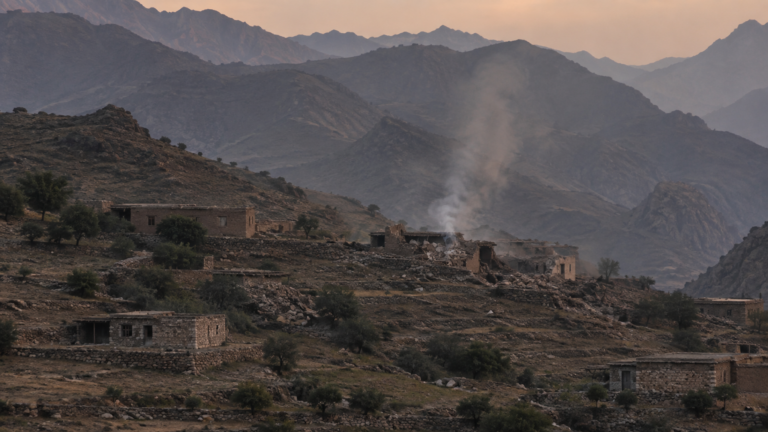
The communications cut comes as fighting intensified on two fronts. A humanitarian source in the Afar region told AFP there was “heavy fighting overnight” around the town of Abala, which sits in the mountains on the border with Tigray. Federal forces pushed the rebels back from entering the town, the source said, adding that the army used a drone in the battle.
In Amhara region, heavy clashes erupted on Thursday in the North Wollo Zone, including around the UNESCO World Heritage sites of Lalibela — home to Ethiopia’s famed rock-hewn churches, one of Africa’s most treasured cultural landmarks.
The fighting follows the pattern Sivonex reported when the war declaration broke on Thursday: Tigrayan forces have seized three local airports this week and launched attacks into Afar and Amhara against federal troops (read our earlier breaking report on the war declaration).
A seven-group alliance aims to topple the government
New details emerging Friday show how far the rebels’ ambitions extend. The TPLF has forged an alliance with six other armed groups around the country in a bid to overthrow the government of Prime Minister Abiy Ahmed, AFP reported.
Analysts say the Tigrayans appear to be repeating their strategy from the last war — pushing south through Amhara toward the capital, Addis Ababa, while the offensive in Afar is likely aimed at cutting off supplies from Djibouti, which handles almost all of Ethiopia’s international trade cargo, including fuel. “The alliance is likely trying to seize settlements alongside key infrastructure routes to undermine federal government’s ability to supply,” Edward Bach of consultancy firm Verisk Maplecroft told AFP.
Panic buying and the ghost of the last war
For Tigrayans, the blackout has awakened traumatic memories. During the 2020-2022 war, which ended with a peace deal in November 2022, Tigray was largely cut off from the outside world as communications were severed and access to food, cash and medicines was severely restricted, pushing hundreds of thousands of people into famine-like conditions. An estimated 600,000 people were killed in that conflict, Free Malaysia Today reported.
Those memories drove panic buying on Wednesday and Thursday, with residents telling Reuters that shelves were being emptied out. In the Tigray capital Mekelle, prices for basic goods spiked as locals raced to stock up on supplies and withdraw cash. “There is panic in the community,” said Samuel Gebreslassie, 37, who works in a spice shop in Mekelle.
Why this matters
The internet disruption is the most serious escalation since this week’s outbreak of violence, which is already the worst since the 2020-2022 conflict. Communications blackouts in war zones do more than silence a region — in the last war, they hid a humanitarian catastrophe from the world for months.
The stakes are also regional: Ethiopia is Africa’s second-most populous nation, and fighting near the Djibouti supply corridor threatens the country’s fuel and food lifeline. With the TPLF now allied to six armed groups and openly aiming to overthrow the government, this is no longer a localized border clash but a war for the country’s future.
What to watch next
Key questions for the coming days: Will the blackout become a full blockade of Tigray, as in the last war? Can federal forces hold Abala and the Djibouti corridor? And will international pressure — the UK, AU and EU have already called for de-escalation — have any effect before the fighting reaches Addis Ababa’s doorstep? Sivonex will continue tracking this developing story. For more on the region’s conflicts, see our World News coverage.