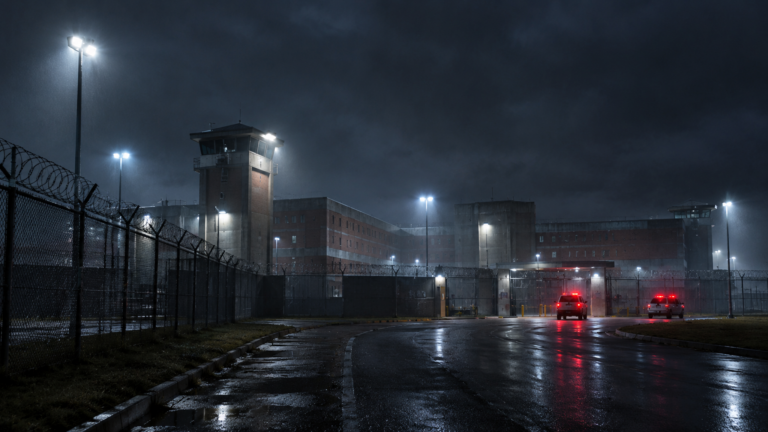
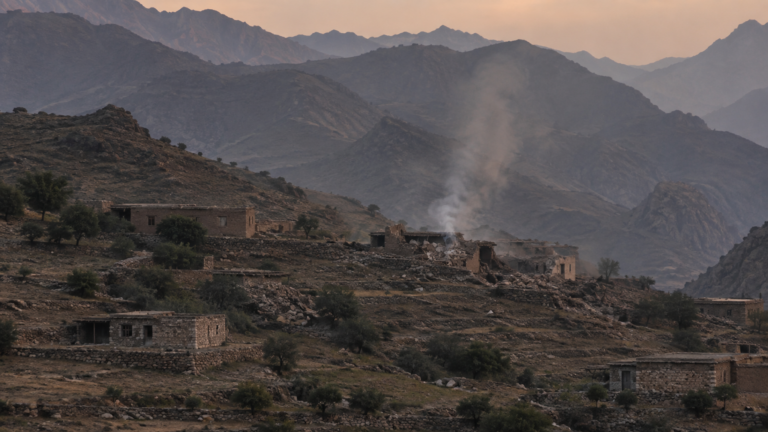
Ethiopia is sliding back toward war. The Tigray People’s Liberation Front (TPLF), which controls the country’s northern Tigray region, told the AFP news agency on Thursday that it is now in a state of “full-blown war” with the federal government — effectively tearing up a peace agreement that ended one of the deadliest conflicts of recent times just four years ago.
The announcement marks a dramatic and dangerous escalation after months of rising tensions, and it comes as fighting spreads beyond Tigray into the neighbouring regions of Afar and Amhara.
“We Are in Full-Blown War Now”
TPLF vice president Amanuel Assefa told AFP on Thursday: “We are in the situation of full-blown war now.” He confirmed that Tigrayan forces were fighting alongside local armed groups in both Afar and Amhara, according to AFP’s reporting.
A humanitarian source in Afar told AFP that rebels launched heavy artillery attacks on Thursday as they attempted to take control of the town of Yallo, near the Tigray border. The Bangkok Post, carrying the same AFP dispatch, reported that the two sides accuse each other of ramping up attacks in a conflict that could spread across the region.
Airports Seized, Fighting Spreads Toward the Capital
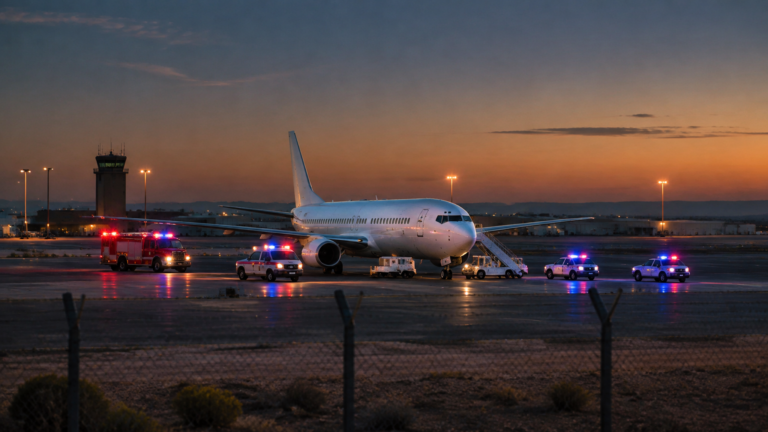
The war declaration follows a rapid escalation on Wednesday, when the TPLF seized control of three airports — in Mekelle, Axum and Shire — from federal police and launched attacks into Afar and Amhara. Ethiopian Airlines has since suspended flights to Tigray, NPR reported.
According to a foreign security source based in Ethiopia cited by AFP, the rebels took control of Abala on the Tigray-Afar border on Wednesday. A TPLF source said the group had seized several other towns in Afar, though that claim could not be independently confirmed.
Fighting was also reported around the town of Weldiya in the Amhara region — one of the few routes leading to the capital, Addis Ababa. Analysts say the pattern mirrors the Tigrayan strategy during the 2020–2022 war: cutting off supply lines and pushing toward the capital. “Their stated aim is to take Addis, but its tactical manoeuvres to reach the city are not yet known,” regional expert Kjetil Tronvoll of Oslo New University College told AFP, via The Peninsula Times.
Each Side Blames the Other
The federal government and the TPLF are trading accusations over who triggered the return to open conflict. Getachew Reda, an adviser to Prime Minister Abiy Ahmed, accused Tigrayan forces of launching an “all-out offensive” against government positions, while Tigrayan authorities say their forces were responding defensively to attacks by federal troops.
Tensions have been building for months. The Armed Conflict Location and Event Data Project (ACLED) says Ethiopian forces have carried out drone strikes targeting Tigrayan forces and TPLF officials in recent months, with strikes concentrated in the Tigrayan capital Mekelle and in southern Tigray.
On Sunday, the TPLF announced it had formed an alliance with six other armed and political groups seeking to remove Prime Minister Abiy Ahmed’s government and establish a transitional government in Ethiopia — a move that further raised the stakes.
A Four-Year Peace in Ruins
The 2020–2022 civil war in Tigray was one of the world’s deadliest conflicts in recent times, with the African Union estimating the death toll at more than 600,000. It ended with a peace agreement in 2022 that has now effectively collapsed.
Reuters included the Tigray escalation in its world news roundup on Thursday, describing Tigrayan forces as having “launched a war against Ethiopia’s government, shattering a four-year peace deal” (Reuters).
The collapse of the deal is a major setback for a region already under strain. Like other recent global emergencies — from Hurricane Polo battering Mexico’s Pacific coast to the deepening energy crisis tied to US–Iran tensions — the renewed war threatens to create a humanitarian crisis on a large scale.
Fears of a Wider Regional War
There are growing fears the fighting could draw neighbouring Eritrea into a wider conflict. Analysts say the Tigray rebels have support from Eritrea, which fears that landlocked Ethiopia is planning to invade its territory to gain access to the Red Sea. Asked by AFP whether the TPLF would ask Eritrea to join the conflict, Assefa replied: “Not yet.”
International pressure is mounting. The United Kingdom has called for an immediate end to hostilities and a return to African Union-led dialogue, and rejected the alliance’s stated objective of overthrowing Ethiopia’s government. The African Union has also called for de-escalation, and the European Union has urged “immediate de-escalation,” Africa Daily Digital reported.
What Happens Next
The situation remains fluid and dangerous. Fighting is ongoing in Afar and Amhara, humanitarian workers in Afar have warned the conflict is likely to expand, and one aid worker told reporters they had just sent a truck of food to help displaced people.
With airports seized, flights suspended and heavy artillery in use, Ethiopia’s fragile peace has given way to open warfare once again. The coming days will show whether diplomacy can pull the country back from the brink — or whether the region is heading into a conflict as devastating as the last one. As with other fast-moving geopolitical crises, such as the Iran sanctions standoff, the world will be watching closely.
Conclusion
The TPLF’s declaration of “full-blown war” is the most serious escalation in Ethiopia since the 2022 peace deal. With a shattered truce, spreading battlefronts and the risk of regional spillover, this is a developing story with potentially enormous human cost. Sivonex Update will continue to follow it as events unfold.