
A secretive trade mechanism is providing a crucial financial lifeline to Tehran, allowing Iran to bypass Iran sanctions
Introduction
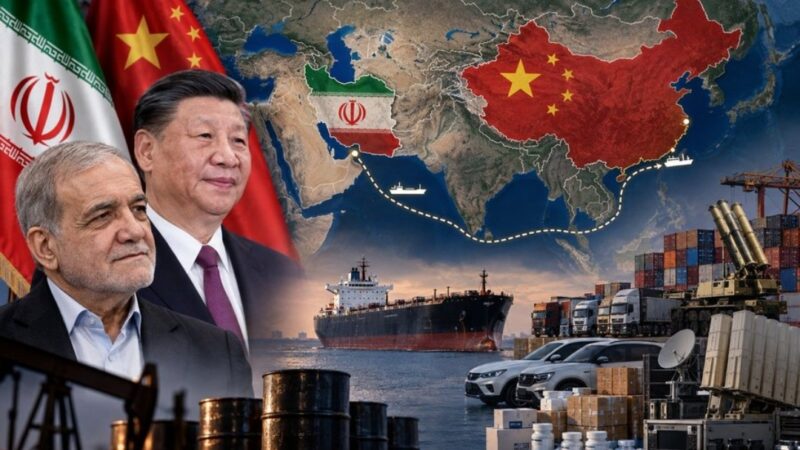
A secretive trade mechanism is providing a crucial financial lifeline to Tehran, allowing Iran to bypass international sanctions and purchase billions of dollars’ worth of goods from China, including military equipment. According to a report by Reuters, this barter-like arrangement exchanges Iranian oil for credits that fund Chinese imports, effectively evading U.S. sanctions designed to cripple Iran’s economy.
How the Mechanism Works
The system functions on a barter basis, avoiding direct cross-border bank transfers that would trigger international scrutiny. Iran’s oil proceeds are converted into credits and routed through intermediaries to pay Chinese suppliers. This method not only allows Iran to acquire necessary goods but also helps China, the world’s largest crude importer, secure access to discounted Iranian oil while shielding its banks and companies from penalties. The arrangement has managed approximately $2–2.5 billion in oil payments over the past year.
What Iran Buys
Through this covert channel, Iran has purchased a wide range of goods, including:
- Medicines and vehicles
- Communication equipment
- Military gear, such as air-defense equipment worth millions of dollars
The manufacturers involved were not dealing directly with Iran, and there is no indication that they were in breach of sanctions.
The Strategic Impact
This trade mechanism has become a financial lifeline for Tehran as the United States intensifies economic and military pressure over Iran’s nuclear program. The arrangement helps Iran sustain its economy and military capabilities despite sanctions. For China, it ensures a steady supply of discounted oil while insulating its companies from international penalties.
U.S. Response and Challenges
The U.S. has imposed sanctions on some smaller Chinese entities that facilitate Iranian oil shipments but has stopped short of the most punishing measures that could have repercussions on the global economy. In August, Treasury Secretary Scott Bessent warned countries to cut business ties with Iran or risk being forced out of the dollar-based financial system. However, enforcing a complete shutdown of this trade would require targeting numerous Chinese intermediaries, logistics providers, and financial conduits that also serve legitimate trade, risking broader economic disruption.
Conclusion
The barter-like arrangement between Iran and China represents a sophisticated workaround to international sanctions. By exchanging oil for credits, both nations circumvent the dollar-based financial system and continue their economic partnership despite mounting pressure from the United States. As sanctions enforcement becomes more complex, this mechanism underscores the challenges of isolating a nation in an interconnected global economy.



Leave a Reply