A suicide bomber drove an explosives-laden tractor-trolley into a police checkpost in Dera Ismail Khan on Saturday (September 26, 2026), killing at least 12 people and wounding dozens. The Dera Ismail Khan suicide bombing is the second major militant attack in Pakistan’s Khyber Pakhtunkhwa province in just over a week — part of a broader wave of escalating regional violence — and the banned Tehreek-e-Taliban Pakistan (TTP) has claimed responsibility for it.
The blast ripped through the Aman Mela anti-smuggling checkpost in the Darazinda area of Dera Ismail Khan district, near the KP–Balochistan border, leaving the toll of the dead and injured expected to rise.
Suicide Bomber Rams Explosives-Laden Vehicle into DI Khan Anti-Smuggling Post
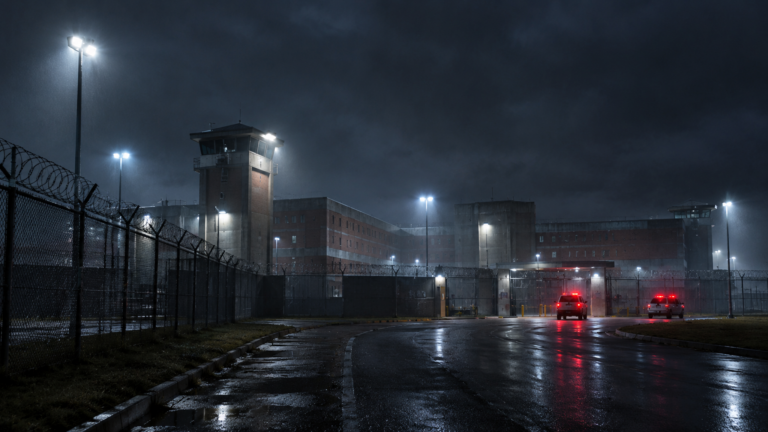
According to police, a suicide bomber drove a tractor-trolley loaded with explosives straight into the Aman Mela police checkpost in Darazinda tehsil of Dera Ismail Khan district, Khyber Pakhtunkhwa, on Saturday, September 26, 2026. The checkpost stands on the DI Khan–Quetta Road near the KP–Balochistan border, a route frequently used for smuggling that the post was set up to monitor, The Hindu reported.
Geo News reported that the explosives-laden vehicle slammed into the Aman Mela Police Checkpoint, triggering a massive explosion that was heard across the surrounding area. The blast occurred at the same checkpost complex used jointly by police and customs officials for anti-smuggling duties.
The force of the explosion flattened parts of the checkpost building and set nearby vehicles ablaze. Officials said the bomber appeared to have deliberately targeted the checkpoint during a period of activity, though no source gave an exact time for the attack.
What We Know So Far: Death Toll, Victims and the Injured
Reports put the death toll at 11–12, with officials warning that the number may rise as critically injured victims succumb to their wounds. Earlier wire reports citing Rescue 1122 said 11 people had been killed, while later Pakistani updates from The Hindu and Geo News put the figure at 12, The Hindu reported.
Among the dead are at least two women and a child — Geo News identified the child as a two-year-old — along with six police personnel and at least one Customs official, according to the Regional Police Officer (RPO) who briefed the media. The Hindu reported that two customs and excise officials were among those killed. Officials fear the toll could climb further because several of the wounded are in critical condition.
The injured count varies between reports, from 18 to as high as 35. The Hindu reported 18 injured, while Geo News put the number at 35, with 25 victims referred to the District Headquarters (DHQ) Hospital in Dera Ismail Khan. Reuters reported that 30 people were injured, per Rescue 1122, and were taken to hospital. Dozens of the wounded remain under treatment, some in critical condition.
TTP Claims Responsibility
The Tehreek-e-Taliban Pakistan (TTP) — the banned militant outfit also known as the Pakistani Taliban — claimed responsibility for the attack, Reuters and The Hindu reported. A suicide bomber belonging to the banned terror outfit carried out the ramming attack, the RPO said, according to the JPost’s report on the Reuters wire.
The claim fits a grim pattern: the federal government says the TTP has been carrying out attacks in Khyber Pakhtunkhwa since it ended its ceasefire with the government in November 2022, and Dera Ismail Khan has repeatedly been struck by Islamist militant violence, frequently targeting police and security forces. Bomb disposal squads were dispatched to determine the nature and quantity of the explosives used, and investigators have yet to release details about the bomber’s identity.
Rescue Operation and Security Response
Rescue 1122’s Darazinda station team reached the blast site within minutes and began rescue and relief operations, Reuters reported. Additional ambulances and personnel were sent from Karak and Hangu, while bomb disposal teams were dispatched to examine the scene and determine the nature of the explosives.
Security forces cordoned off the area and launched a search and clearance operation, with a wider investigation under way. Police said further details would emerge as the bomb disposal assessment and the criminal investigation progressed.
Pakistan Prime Minister Shehbaz Sharif condemned the attack, expressed grief and condolences to the bereaved families, prayed for the speedy recovery of the injured, and vowed that the government was determined to completely eliminate terrorism, Geo News reported. Interior Minister Mohsin Naqvi also condemned the bombing, calling Khyber Pakhtunkhwa “on the frontline” in the war against terrorism.
A Week of Bloodshed in KP: From Kohat to Dera Ismail Khan
The Dera Ismail Khan bombing comes just over a week after another devastating attack in Khyber Pakhtunkhwa. On September 18, 2026, an explosives-laden vehicle rammed the gate of a mosque inside the old Police Lines in Kohat during Friday prayers before exploding, killing 22–23 people — including police personnel — and injuring around 100–103, IANS reported.
The two attacks underline a sharp rise in terrorism in Pakistan since the Taliban’s 2021 takeover of Afghanistan, with the federal government blaming the TTP for a sustained campaign of violence in KP since the November 2022 collapse of its ceasefire. Security analysts note that checkposts and police installations have become preferred militant targets, as militants seek to demoralise the province’s security apparatus and disrupt counter-smuggling operations.
What Happens Next
A search and clearance operation is still under way around the Darazinda blast site, and the bomb disposal squad’s findings are expected to clarify the type and quantity of explosives used in the attack. Police have launched a full investigation into how the bomber reached the checkpost and whether the attack involved local facilitation.
The death toll may yet rise, with several victims still in critical condition at DHQ Hospital in Dera Ismail Khan. The twin blows of Kohat and Dera Ismail Khan within eight days will also pile pressure on Pakistan’s counter-terrorism posture in Khyber Pakhtunkhwa, a province the interior minister himself has described as being on the frontline of the fight against terrorism.
What to watch next: the official investigation findings, any fresh security deployments on the DI Khan–Quetta corridor, and whether the government announces new counter-terrorism measures in KP in the coming days. For context on how militant conflicts escalate elsewhere, see our earlier coverage.